







Search Results for: dry aroma misconceptions

Analysis of Common Espresso Extraction Misconceptions and Standard Operating Demonstration Guide
In the daily preparation of espresso, many seemingly insignificant operational details often determine the success or failure of the final flavor. This article systematically outlines four easily overlooked extraction pitfalls: not flushing water to cool down before attaching the portafilter, not knocking out the puck promptly after extraction, forgetting to clean the dispersion screen, and leaving the portafilter locked in the group head for extended periods. These habits not only affect the taste of the coffee but may also shorten the lifespan of the equipment. Drawing on Front Street Coffee's practical recommendations, the article provides corresponding correct practices and standard demonstrations to help coffee enthusiasts develop proper operating procedures and improve the consistency and quality of every cup of espresso. [more…]
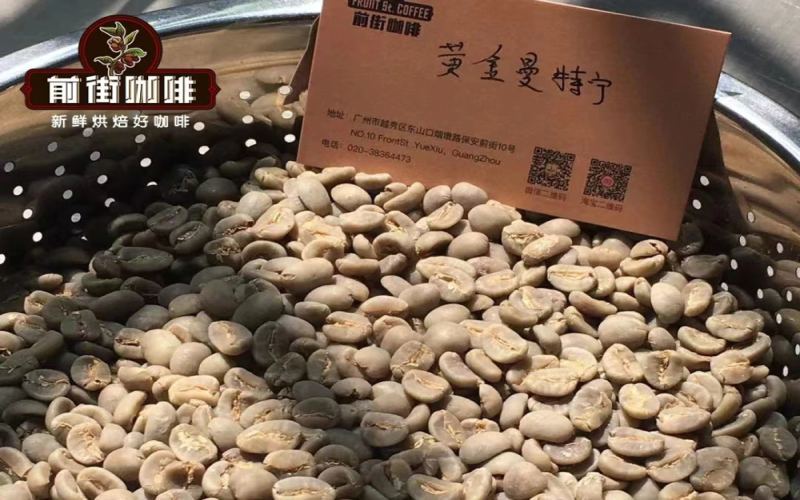
Tracing the Flavor of Mandheling Coffee: The Name Misconception, Wet-Hulling Process, and Variety Analysis
Mandheling coffee is famous for its rich, intense taste and unique herbal, spicy flavors, but did you know that behind this name lies a "double misunderstanding"? From the Indonesian Mandailing tribe to the Mandheling that swept Japan, and then to the Golden Mandheling trademark registered by PWN, the legendary story of this coffee goes far beyond its flavor itself. This article will take you through the twists and turns of the Mandheling name's origin, explain in detail how Sumatra's unique wet-hulling process shapes its distinctive character, and break down one by one the varieties, growing regions, and flavor characteristics of Golden Mandheling and Lintong Mandheling. At the same time, the article also retains Front Street Coffee's recommendation information on PWN Golden Mandheling, providing coffee lovers with a complete knowledge reference. [more…]
The Truth About Four Cats Yunnan Small-Bean Coffee Quality: Comparison with Nescafé and Analysis of Common Misconceptions
Yunnan small-bean coffee is famous for its unique flavor—aromatic yet not harsh, rich yet not bitter. As a representative brand among them, Sizhimao is often compared with Nescafé in terms of authenticity and quality. This article will provide an in-depth analysis of the botanical characteristics and growing environment advantages of Sizhimao Yunnan small-bean coffee, explain the siphon brewing steps in detail, and clarify common misunderstandings about the "Four Cats Coffee scam." Whether you are a coffee enthusiast or a beginner just getting to know Yunnan beans, you can gain practical knowledge from it and learn about related recommendations from the Front Street brand. [more…]

Why Does Milk Frothing Always Go Wrong? A Full Guide to Analyzing Five Common Misconceptions and Practical Tips
Steaming milk is a fundamental skill every barista must master, but many people run into problems during the process, such as milk foam not incorporating, separating into layers, or dissipating quickly. Drawing on the hands-on experience of Front Street Coffee, this article systematically explains the principles of milk foaming, the key factors affecting incorporation, how milk foam performs at different temperatures, and the differences between steaming milk and frothing it by hand. It also compiles the five most common mistakes made when steaming milk, along with detailed steps for a tulip latte art pour, to help you comprehensively improve your milk foam quality and latte art skills. [more…]
How does a latte made with SOE Brazil Cerrado coffee beans taste? A detailed interpretation of single-origin espresso and the semi-washed processing method
SOE (Single Origin Espresso) has attracted much attention from coffee enthusiasts in recent years, and the Cerrado region of Brazil, as a classic representative, is often used to make SOE lattes. Starting from the definition of SOE, this article clarifies common misconceptions and provides an in-depth introduction to the unique pulped natural processing method of Brazil's Cerrado region, comparing the differences between natural and washed processing. At the same time, the article also compiles detailed information on two beans produced by Front Street Coffee—Brazil Queen's Farm Yellow Bourbon and South Minas Red Bourbon—including region, variety, processing method, and flavor description, helping readers fully understand the flavor performance and key production points of SOE Cerrado lattes. [more…]
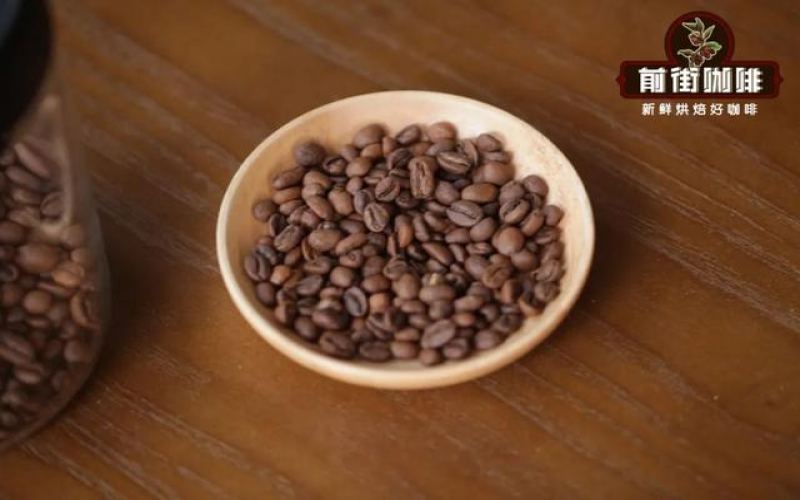
Sidamo Huakui vs. Yirgacheffe Flavor Comparison: How Natural and Washed Processing Shape the Taste Differences of Ethiopian Coffee
Ethiopia is the holy land of specialty coffee, but many people have misconceptions about its processing methods. Washed Yirgacheffe is not the entirety of Ethiopian coffee; natural processing is the oldest tradition of this land. This article will guide you through the naming origins of Sidamo Huakui coffee, the terroir of its producing region, and its natural processing technique, while comparing the essential flavor differences between natural and washed processing methods. At the same time, Front Street Coffee will share brewing parameters and techniques for Huakui coffee to help you better showcase the layers of this bean. Whether you are a beginner just getting into specialty coffee or a seasoned enthusiast wanting to understand the differences in Ethiopian bean processing methods, this article can provide valuable information. [more…]
Can the dry aroma of coffee beans determine flavor? Front Street analyzes the pitfalls of choosing coffee by smelling beans and the correct way to judge.
Many coffee enthusiasts habitually smell the beans before deciding what to drink when ordering, believing that beans with an alluring dry aroma will surely taste better when brewed. However, Front Street Coffee points out that this practice has two major pitfalls: first, not all flavors can be released through the dry aroma of unground beans, and second, the olfactory and gustatory experiences are not equivalent. This article analyzes in detail the limitations of choosing coffee by smelling the beans, and offers two more reliable methods for judging flavor—interpreting label information and consulting a barista—to help you get a rough idea of a cup of coffee's sweetness, acidity, bitterness, and flavor direction before it even touches your lips. [more…]
Phoenix Dancong Authentic Origin and Buying Guide: A Comprehensive Analysis from Production Craft to Tea Garden Selection
Phoenix Dancong oolong tea is deeply loved by tea enthusiasts for its unique flavor, but many people have misconceptions about where that flavor comes from. This article will take an in-depth look at the production process of Phoenix Dancong, revealing how the roasting process shapes its distinctive quality, and comparing the low-end teas commonly found on the market with carefully made traditional charcoal-roasted teas. We will also explore the characteristics of different tea gardens on Phoenix Mountain in Chaozhou, helping you understand where to buy authentic Phoenix Dancong tea and how to distinguish genuine from fake and superior from inferior. Whether you are a seasoned tea drinker or a beginner, this article will provide you with practical buying guidance and tasting knowledge. [more…]
Analysis of Coffee Bean Fermentation Principles and Processing Techniques: From Microbial Reactions to the Key to Flavor Consistency
Fermentation plays an irreplaceable role in coffee processing, directly influencing the final flavor profile and sensory quality of the coffee. How sugars and acids break down under controlled conditions, how microorganisms participate in the process, and why fermentation consistency matters so much for market partnerships—these are all key to understanding coffee quality. Drawing on the hands-on experience of Finca Black Mountain in Guatemala and Capricornio Coffee in Brazil, and incorporating the research perspective of agricultural engineering PhD Mauricio Villegas, this article systematically examines the mechanisms of coffee fermentation, common misconceptions, and methods for achieving reproducibility. Whether you are a coffee professional or a devoted enthusiast, you will gain a clear understanding of the relationship between fermentation and coffee quality. [more…]
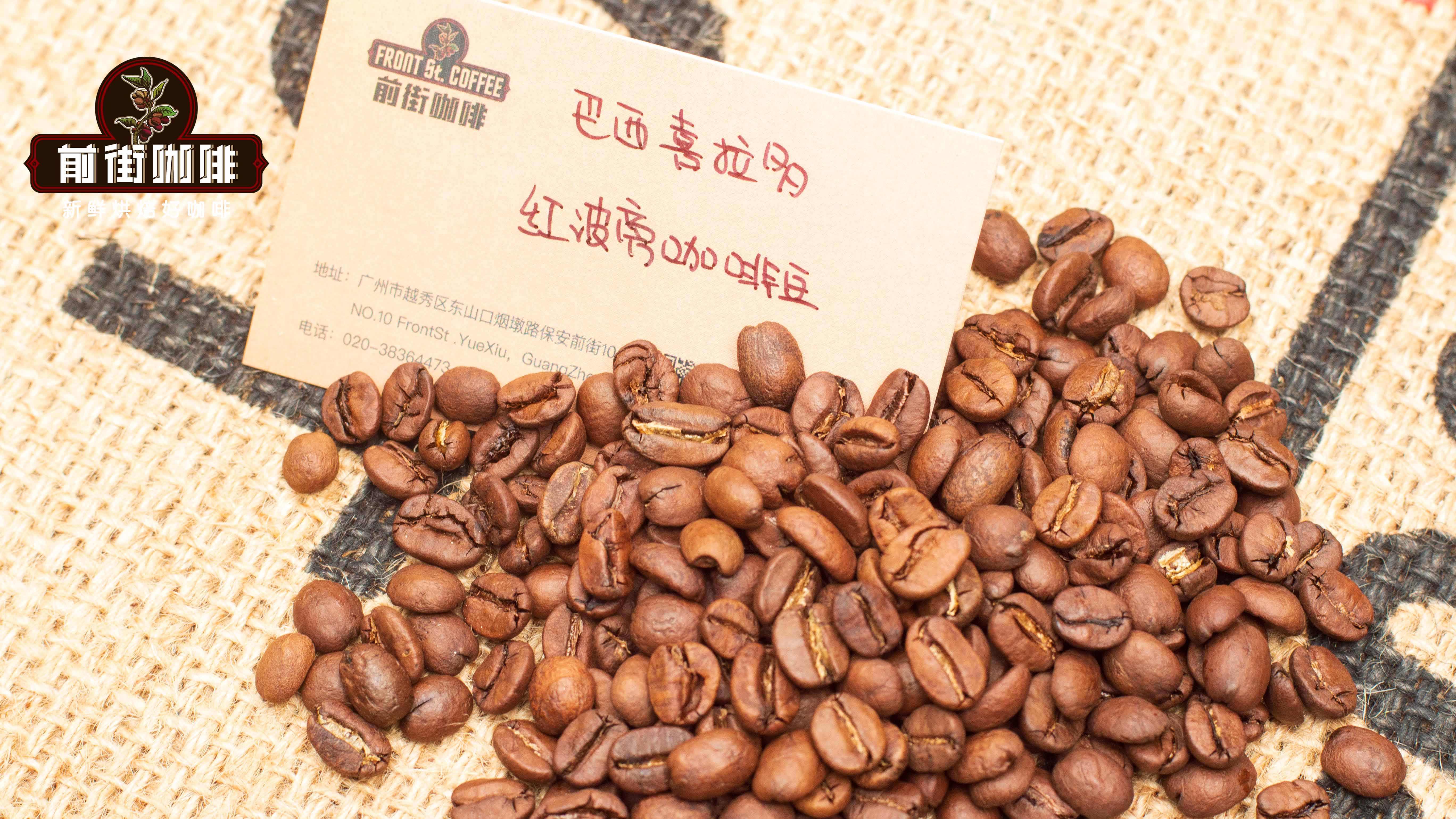
A Detailed Explanation of the Coffee Honey Processing Drying Mechanism: Flavor Differences Between Costa Rican Raisin Honey Process and Black Honey
The processing method of green coffee beans directly influences the flavor profile of the final cup. Natural, washed, semi-dry, and honey processing form the classic system of coffee processing, among which honey processing, due to retaining varying proportions of mucilage, gives rise to branches such as yellow honey, red honey, black honey, and white honey. Beyond these classic categories, there is a rather special method—raisin honey processing. Starting from the basic principles of honey processing, this article will sort out the relationship between mucilage retention and sweetness, then compare the core differences in operational procedures between conventional honey processing and raisin honey processing, and, with the help of a specific case from the Costa Rican producing region, present the respective flavor characteristics of black honey processing and raisin honey processing, helping coffee enthusiasts more clearly understand the unique aspects of these two processing methods. [more…]
How Exactly Are Honey-Processed Coffees Classified? Decoding the Flavor Secrets of Costa Rican Raisin Honey Process
The processing method of green coffee beans directly influences the flavor direction of the final cup, and natural, washed, and honey processing constitute the three classic processing systems. Honey processing is not a single technique, but rather branches into yellow honey, red honey, black honey, white honey, and others depending on the amount of mucilage retained, among which raisin honey processing is particularly special. It first dries the coffee cherries in their husks for several days, and once the fruit has shriveled like raisins, it is pulped and hulled for honey processing, using almost no water, with mucilage retention reaching up to 100%. This technique gives the coffee extremely high body and intense fermented aromas. This article will systematically sort out the classification logic of honey processing, compare the process differences between conventional honey processing and raisin honey processing, and, in combination with two beans from the Costa Rican producing region—Front Street Blackberry and Front Street Mozart—analyze the unique flavor expression brought by raisin honey processing. [more…]
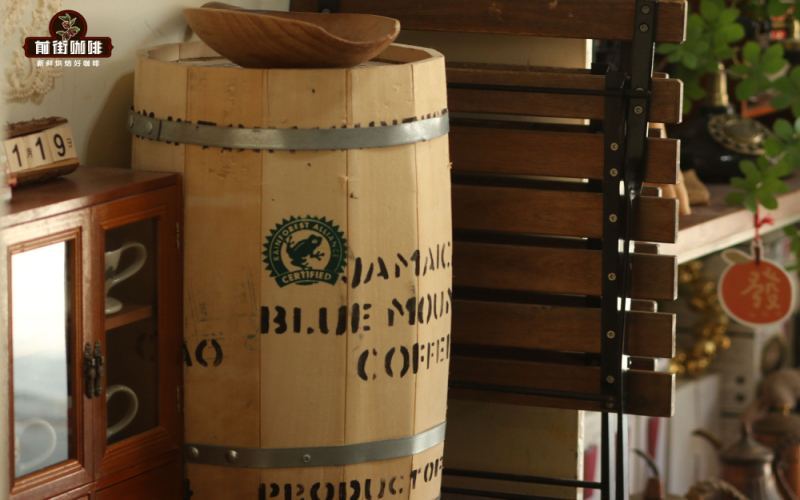
A Complete Analysis of Jamaican Blue Mountain No. 1 Coffee Beans: From History and Producing Regions to Identification Methods, with Pour-Over Parameters and Brewing Practice
Jamaican Blue Mountain coffee is a timeless classic in the world of specialty coffee. Even in 2020, Front Street Jamaican Blue Mountain No. 1 remains a formidable competitor that many new varieties find hard to shake. This article, from the perspective of Front Street Coffee, systematically sorts through the historical origins of Blue Mountain coffee, the definition of authentic growing regions, CIB grading standards, the characteristics of the Typica variety, and the two major misconceptions that people easily fall into when distinguishing authenticity. It also includes the green bean characteristics, roasting curves, and cupping flavors of Front Street washed Blue Mountain and sun-dried Blue Mountain, and provides hand-brewing parameters and staged pouring schemes for the Kono dripper, helping enthusiasts truly understand Blue Mountain, choose the right Blue Mountain, and brew a good cup of Blue Mountain. [more…]

Flavor Characteristics and Selection Tips of SOE Single-Origin Espresso, with Three Front Street Single-Origin Bean Recommendations
When ordering at a coffee shop, you'll often hear the barista ask if you'd like to try an SOE. SOE stands for Single Origin Espresso, an espresso extracted from coffee beans of a single origin. Its approach differs from that of blend beans: blends pursue balance and complexity, while SOE aims to amplify the signature flavors of a particular region. However, making a good SOE is not simple—bean quality, roast level, and extraction parameters all need to be carefully matched, otherwise it easily ends up too sour, too bitter, or thin in flavor. This article will sort out the characteristics and common misconceptions of SOE, and according to three styles—acidic, fermented winey, and rich bitter—recommend three coffee beans suitable for making SOE: Front Street Coffee Colombia Papayo, Costa Rica Blackberry, and Brazil Queen's Estate, for enthusiasts' reference. [more…]
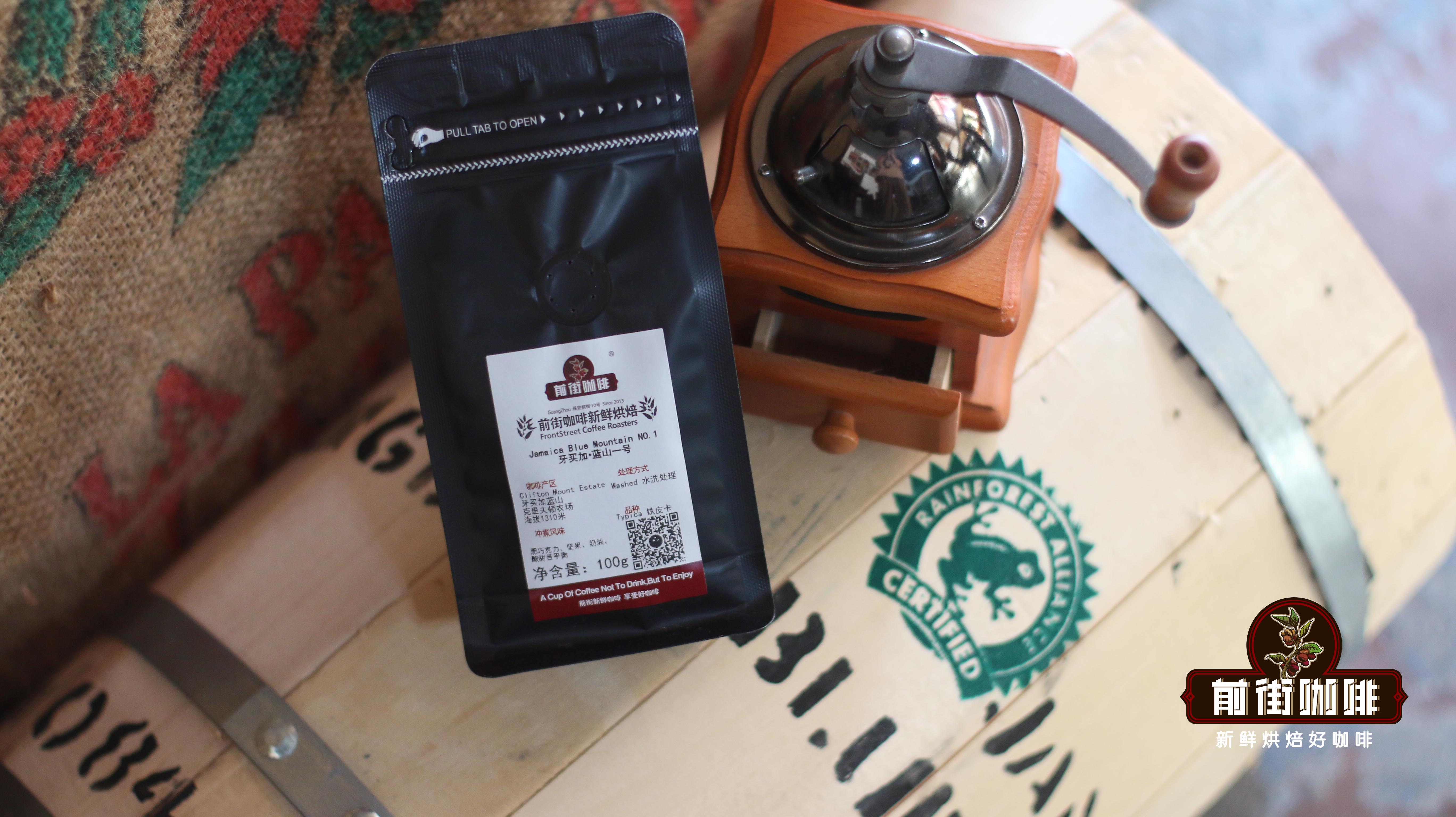
An Analysis of the Grade Positioning of Authentic Blue Mountain Coffee, and a Discussion of the Authenticity of Instant Blue Mountain and Its Weight-Loss Effects
Blue Mountain coffee has long been regarded as a high-end representative of the coffee world due to its scarce production and exceptional quality. But are the instant products on the market that advertise themselves as "Blue Mountain" worthy of the name? Can they really help with weight loss? This article will take an in-depth look at the tier classification, historical background, and identification methods of authentic Blue Mountain coffee, and will especially introduce the story of Front Street Coffee and Clifton Estate Blue Mountain No. 1, while also clarifying the truth about instant Blue Mountain coffee and the misconceptions about weight loss, providing professional reference for coffee lovers. [more…]
A Comprehensive Analysis of Jamaica's Coffee Certification Grade System and the Blue Mountain Variety Brand
Jamaican Blue Mountain coffee is renowned worldwide for its exceptional quality, yet many enthusiasts still hold misconceptions about its certification system, grade classifications, varietals and brands, and how to distinguish the genuine from the counterfeit. This article systematically outlines the three types of certificates issued by the Jamaica Coffee Board, the grading standards for Blue Mountain and High Mountain coffee, the growing regions and historical origins of Blue Mountain coffee, and provides a detailed introduction to the flavor characteristics of Front Street Blue Mountain coffee, methods of authentication, and the monopoly that the Japanese market holds over Blue Mountain coffee. Whether you want to understand why Blue Mountain coffee commands such a high price or want to learn how to tell real Blue Mountain from fake, this article offers clear and professional answers. [more…]
Where Does the Smoky Flavor in Coffee Beans Come From? A Complete Analysis of Dark Roasting and Sweetness Changes
Many people believe that the darker the coffee beans are roasted, the stronger the sweetness will be—this is actually a common misconception. During the roasting process, the development of sweetness, the involvement of caramelization, and the emergence of smoky notes are all closely tied to temperature and time. This article will start from the various roasting stages, from green beans to roasted beans, and carefully trace the rise and fall of sweetness intensity, while explaining exactly how smoky flavors remain in the coffee beans. It will also share how to reduce the impact of smoky notes on flavor through smoke exhaust, helping coffee lovers gain a more comprehensive understanding of the science behind roasting, and recommend related products from Front Street Coffee. [more…]

Colombian Coffee Bean Grading Standards, Huila Washed Flavor Characteristics, and Brewing Parameter Guide
Colombian coffee, with its soft berry acidity, roasted nut aroma, and caramel sweetness, has become a favorite among many pour-over beginners. As the world's second-largest Arabica producer, Colombia's volcanic soil and high-altitude microclimates give its coffee beans a full, solid mouthfeel. This article will systematically sort out the grading system for Colombian green beans—how many screen sizes Supreme, EP, and U.G.Q correspond to respectively, clarify the common misconception that Excelso is not a grade but an export standard, and introduce the flavor profile of washed beans from the Huila region along with Front Street Coffee's recommended V60 three-pour brewing method, helping coffee lovers experience the unique charm of Colombian coffee at an affordable cost. [more…]
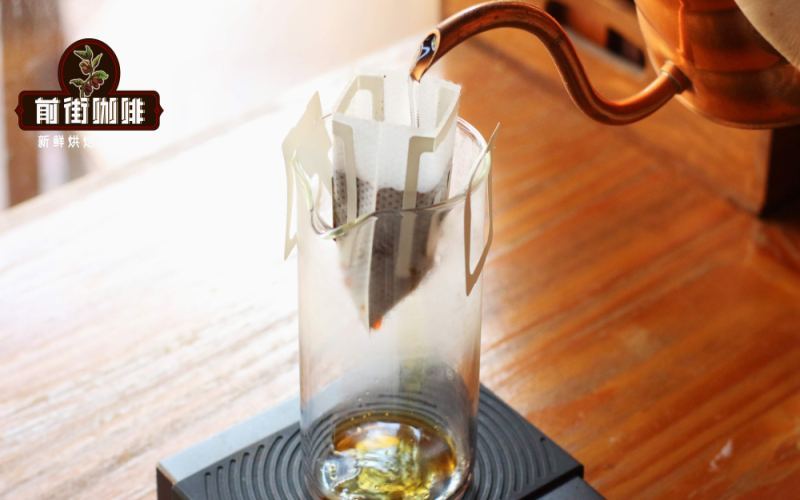
Origins of Drip Bag Coffee and Analysis of Pros and Cons: Can It Be Reused and a Practical Buying Guide
Drip bag coffee, as a type of portable coffee, is deeply loved by enthusiasts for its simple and convenient characteristics. This article will take you through the invention journey of drip bag coffee, from Japan's single-sided drip bags in 1990 to its global popularity in 2011, with sales reaching as high as 1.4 billion bags, 94% of which came from Japan. We will also explore the pros and cons of drip bag coffee, including its portability, flavor retention, and whether it can be brewed a second time. At the same time, the article will share Front Street Coffee's recommended products, such as drip bag selections for different taste types, to help you better enjoy coffee. Whether you are a coffee novice or a seasoned enthusiast, you can gain practical knowledge from it, avoid common misconceptions, and improve your brewing experience. [more…]
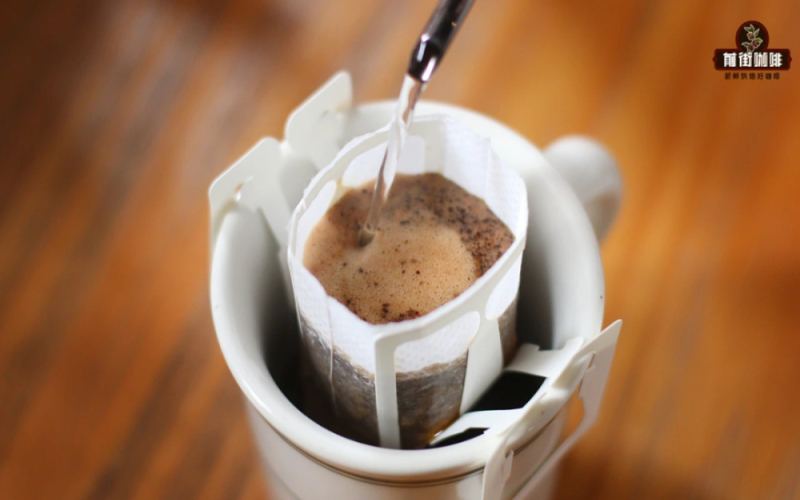
The essential difference between drip bag coffee and instant coffee, the production principle of drip bags, and key points for proper brewing
Drip bag coffee has become deeply embedded in many people's daily lives thanks to its portability, yet misconceptions surrounding its use are quite common. Some people treat it like a tea bag and steep it directly, some use it as if it were instant coffee, and others pour a kettle of hot water in a rush, causing the coffee grounds to overflow. What consequences do these actions actually bring? And how did drip bag coffee evolve from a single-ear design to a double-ear one? This article will start with the origins of drip bag coffee's invention, break down four common incorrect practices one by one, and explain the correct brewing approach. At the same time, it compiles the flavor characteristics of five seasonal drip bag coffees from Front Street Coffee for reference when making a purchase. [more…]
How Are Kenyan Coffee Bean Grades Classified? Is AA Really the Best? A Comprehensive Analysis of Regional Flavors and Brewing Parameters
Kenyan coffee has always held a special place in the global specialty coffee scene, winning over countless coffee lovers with its bright fruit acidity, rich body, and distinctive winey aroma. But when it comes to the grading of Kenyan beans, many people hold misconceptions—is AA really the highest grade? This article will provide a comprehensive interpretation of the core knowledge of Kenyan coffee, from the origin's history, the grading system, and flavor characteristics to Front Street Coffee's roasting and brewing recommendations, taking you to rediscover the coffee charm of this East African producing country. [more…]